
Exploring the realm of private health insurance unveils a crucial aspect of healthcare that impacts individuals on a personal level. From the advantages it offers to the comparison with public health insurance, this topic delves into the world of healthcare coverage in a comprehensive manner.
Delving deeper into the various types of plans, coverage areas, and benefits associated with private health insurance promises to provide valuable insights into making informed decisions regarding one's healthcare needs.
Importance of Private Health Insurance
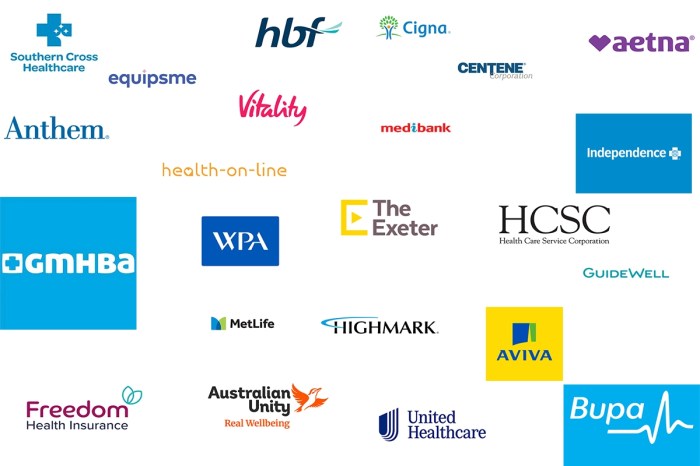
Private health insurance plays a crucial role in ensuring individuals have access to quality healthcare services when needed. It offers several advantages compared to relying solely on public health insurance.
Advantages of Private Health Insurance
- Broader Coverage: Private health insurance typically provides coverage for a wider range of services, including dental, vision, and alternative therapies, which may not be covered by public health insurance.
- Shorter Wait Times: With private health insurance, individuals often experience shorter wait times for appointments and procedures, ensuring timely access to healthcare.
- Choice of Providers: Private health insurance allows individuals to choose their preferred healthcare providers, including specialists and facilities, offering greater control over their healthcare.
- Additional Services: Private health insurance may include additional services such as wellness programs, mental health support, and preventive care, promoting overall well-being.
Comparison with Public Health Insurance
While public health insurance provides essential coverage for basic healthcare services, private health insurance offers additional benefits and flexibility. Public health insurance may have limitations in coverage and may result in longer wait times for certain services.
Types of Private Health Insurance
Private health insurance plans come in various types to cater to different needs and preferences. Let's explore some of the common options available:
1. Health Maintenance Organization (HMO)
- HMO plans require members to choose a primary care physician (PCP) who coordinates all healthcare services.
- Members must get referrals from their PCP to see specialists.
- Examples of HMO providers include Kaiser Permanente and Aetna.
2. Preferred Provider Organization (PPO)
- PPO plans offer more flexibility in choosing healthcare providers without needing referrals.
- Members can see any doctor or specialist within the network or out-of-network at a higher cost.
- Examples of PPO providers include Blue Cross Blue Shield and UnitedHealthcare.
3. Exclusive Provider Organization (EPO)
- EPO plans combine aspects of both HMO and PPO plans.
- Members must only see providers within the network, except in emergencies.
- They do not require referrals to see specialists.
4. Point of Service (POS)
- POS plans allow members to choose between in-network and out-of-network providers.
- Members can still have a primary care physician and need referrals for specialists.
- POS plans offer more coverage for out-of-network care than other plans.
Coverage and Benefits
Private health insurance typically offers coverage in various areas to provide comprehensive protection for individuals and families. Beyond basic health insurance, additional coverage can bring numerous benefits, including financial security and access to a wider range of healthcare services. Private health insurance also plays a crucial role in preventive care, promoting overall wellness and early detection of health issues.
Common Coverage Areas
- Hospitalization: Private health insurance often covers the costs associated with hospital stays, including room charges, medical procedures, and medications.
- Outpatient Services: This can include doctor visits, diagnostic tests, and specialist consultations outside of a hospital setting.
- Prescription Drugs: Many private health insurance plans provide coverage for prescription medications, helping to reduce out-of-pocket expenses.
- Mental Health Services: Coverage for mental health treatment, counseling, and therapy is increasingly included in private health insurance plans.
- Dental and Vision Care: Some private health insurance policies offer benefits for dental and vision services, such as routine check-ups, cleanings, and eyeglasses.
Benefits of Additional Coverage
- Financial Protection: Additional coverage can help mitigate the financial burden of unexpected medical expenses, ensuring individuals receive the care they need without worrying about costs.
- Access to Specialized Care: With supplementary coverage, individuals may have access to specialized healthcare providers, treatments, and facilities that may not be covered by basic health insurance.
- Enhanced Wellness Programs: Private health insurance often includes wellness programs and preventive care services, promoting healthier lifestyles and early detection of health issues.
Preventive Care with Private Health Insurance
Preventive care is a key focus of private health insurance, as it emphasizes early detection, disease prevention, and overall wellness. Many private health insurance plans offer coverage for preventive services such as vaccinations, screenings, and annual check-ups. By encouraging regular preventive care, private health insurance aims to reduce the risk of developing serious health conditions and improve long-term health outcomes for individuals.
Costs and Affordability
When it comes to private health insurance, understanding the costs involved and finding an affordable plan is crucial for individuals and families. Various factors can influence the cost of private health insurance, and it's essential to strike a balance between cost and coverage to ensure you have adequate protection without breaking the bank.
Factors Influencing Cost
- Premiums: The monthly or annual amount you pay for your insurance coverage.
- Deductibles: The amount you must pay out of pocket before your insurance kicks in.
- Co-payments: Fixed amounts you pay for covered services after meeting your deductible.
- Coverage Limits: Maximum amounts your insurance will pay for certain services or treatments.
- Age and Health: Younger and healthier individuals often pay lower premiums.
- Location: Health care costs can vary depending on where you live.
Tips for Finding Affordable Plans
- Compare Multiple Plans: Shop around and compare premiums, deductibles, and coverage options.
- Consider High-Deductible Plans: These plans often have lower premiums but higher out-of-pocket costs.
- Look for Discounts: Some insurers offer discounts for non-smokers, gym members, or those with healthy habits.
- Utilize Health Savings Accounts (HSAs): HSAs can help you save money for medical expenses tax-free.
- Review Network Providers: Make sure your preferred doctors and hospitals are in-network to avoid extra costs.
Balancing Cost and Coverage
- Assess Your Needs: Consider your health needs, budget, and risk tolerance when selecting a plan.
- Avoid Underinsuring: While lower premiums may be tempting, inadequate coverage can lead to high out-of-pocket costs in the long run.
- Explore Additional Benefits: Some plans offer added benefits like wellness programs or telemedicine services that can save you money in the long term.
Considerations for Choosing Private Health Insurance
When choosing a private health insurance plan, there are several key factors to consider to ensure you select the best option for your needs.
Network of Healthcare Providers
It is crucial to review the network of healthcare providers included in the private health insurance plan. Make sure that your preferred doctors, specialists, and hospitals are part of the network to receive the best care possible.
Coverage Limits and Exclusions
Assessing the coverage limits and exclusions of a private health insurance policy is essential to avoid any surprises when seeking medical treatment. Be aware of any restrictions or limitations on coverage for specific treatments, procedures, or conditions.
Ultimate Conclusion
As we conclude this discussion on private health insurance, it becomes evident that the right coverage can be a game-changer in accessing quality healthcare. From understanding costs to making informed choices, private health insurance plays a significant role in ensuring overall well-being.
Question Bank
What factors influence the cost of private health insurance?
The cost of private health insurance can be influenced by factors such as age, location, coverage level, and overall health status.
How can one find affordable private health insurance plans?
Researching and comparing different insurance providers, considering different coverage options, and exploring government subsidies can help in finding affordable private health insurance plans.
Why is it important to review the network of healthcare providers when choosing a private health insurance plan?
Reviewing the network of healthcare providers ensures that you have access to quality medical care from professionals within the network, helping you make the most of your insurance coverage.
What are some key factors to consider when choosing a private health insurance plan?
Key factors to consider include coverage options, network of providers, cost, benefits, and any restrictions or limitations within the policy.
![Top 10 Best Home Insurance Companies Rates [The Truth]](https://airconditioner.viralsumsel.com/wp-content/uploads/2025/12/Top-10-Best-Home-Insurance-Companies-Rates-75x75.png)